
Summary
A mountain view is typically defined as a visible sightline to mountains or a mountain range from a property, room, or outdoor space, often influenced by elevation, distance, and surrounding obstructions. As one of the most desirable scenic features in destinations like Vail, mountain views can enhance the appeal of lodging and real estate while helping travelers understand what to expect when booking accommodations, though the exact definition may vary based on geography, elevation, and surrounding development.
What Defines a True Mountain View
A true mountain view is determined by whether mountains are visible from a specific vantage point.
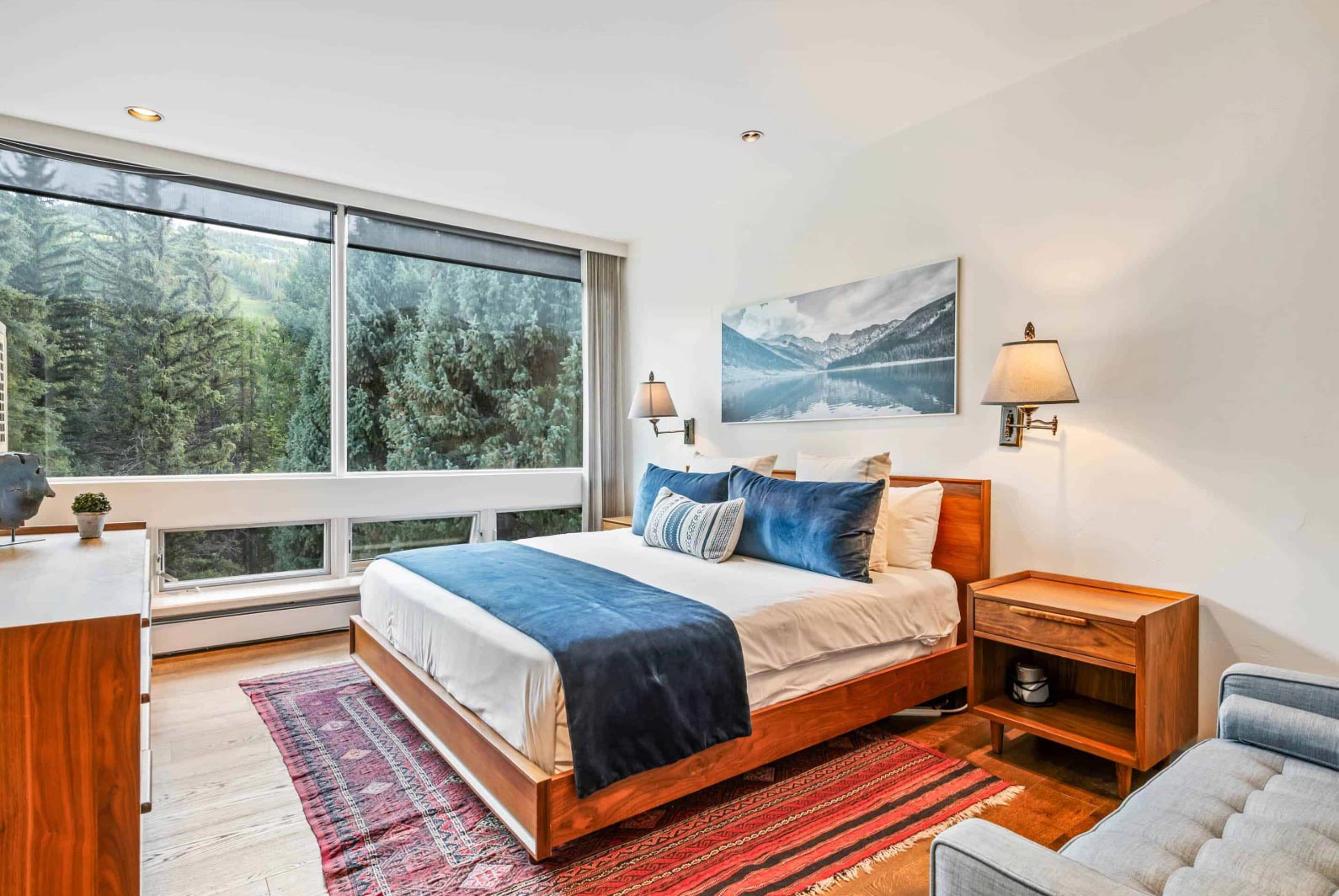
A mountain view generally refers to a direct or partial sightline to mountains from a room, property, or outdoor space. The quality of the view depends on elevation, distance, and nearby obstructions such as buildings or trees. In some cases, even a partial or framed view is still marketed as a mountain view in hospitality listings.
Common characteristics of a mountain view include:
- Visible mountain peaks or ridgelines
- Elevated positioning such as upper floors or hillside locations
- Partial or unobstructed sightlines
- Framed views through windows or landscape openings
- Orientation facing a mountain range
- Natural surroundings that enhance visibility
Because the definition can vary, “mountain view” is often used broadly across travel and real estate markets.
Types of Mountain Views
Mountain views come in many forms depending on the landscape, elevation, and your vantage point.
Some mountain views provide sweeping panoramas of entire ranges, while others focus on a single peak or ridgeline. The surrounding terrain, vegetation, and distance from the mountains all influence how the scenery is experienced.
| View Type | Description |
| Panoramic Mountain View | Broad view of multiple peaks, ridgelines, or an entire mountain range |
| Peak View | Focused view of a single mountain summit or prominent peak |
| Forest-Framed Mountain View | Mountains viewed through surrounding trees or natural vegetation |
| Distant Mountain View | Mountains visible on the horizon from farther away |
| Elevated Mountain View | Expansive views from higher elevations such as hillsides or mountain slopes |
Each type of mountain view offers a unique perspective on the landscape, allowing visitors to experience the beauty of the mountains in different ways.
Why Mountain Views Matter in Travel and Lodging
Mountain views significantly enhance guest experience and are a major factor in lodging selection.
In resort destinations like Vail, a mountain view adds emotional and aesthetic value to a stay. Guests often prioritize scenic views because they contribute to relaxation, atmosphere, and overall vacation enjoyment. Properties with strong mountain views typically see higher demand and premium pricing.
A mountain view can enhance a stay by providing:
- A stronger connection to nature
- A more immersive scenic environment
- Improved relaxation and ambiance
- Better photo opportunities
- A sense of exclusivity or luxury
For many travelers, the view is as important as the amenities offered in the accommodation.
Plan Your Vail Mountain Getaway
If you're planning a snowy getaway without skiing, contact Lodge at Lionshead to learn more about staying in the heart of Vail and enjoying winter at your own pace. Book your stay at The Lodge at Lionshead. Call 800.962.4399 or email us at info@lodgeatlionshead.com today.
Frequently Asked Questions
What is considered a mountain view?
A mountain view refers to a visible sightline to mountains or a mountain range from a property or room.
Does a mountain view mean a full view of the mountains?
Not always. It can include partial, framed, or distant views depending on location and obstructions.
What affects the quality of a mountain view?
Elevation, distance, nearby buildings, and natural obstructions like trees all affect view quality.
Are mountain view rooms more expensive?
Yes, rooms with mountain views are often priced higher due to demand and scenic value.
What is the difference between a mountain view and valley view?
A mountain view faces peaks or ridgelines, while a valley view looks across lower terrain between mountains.